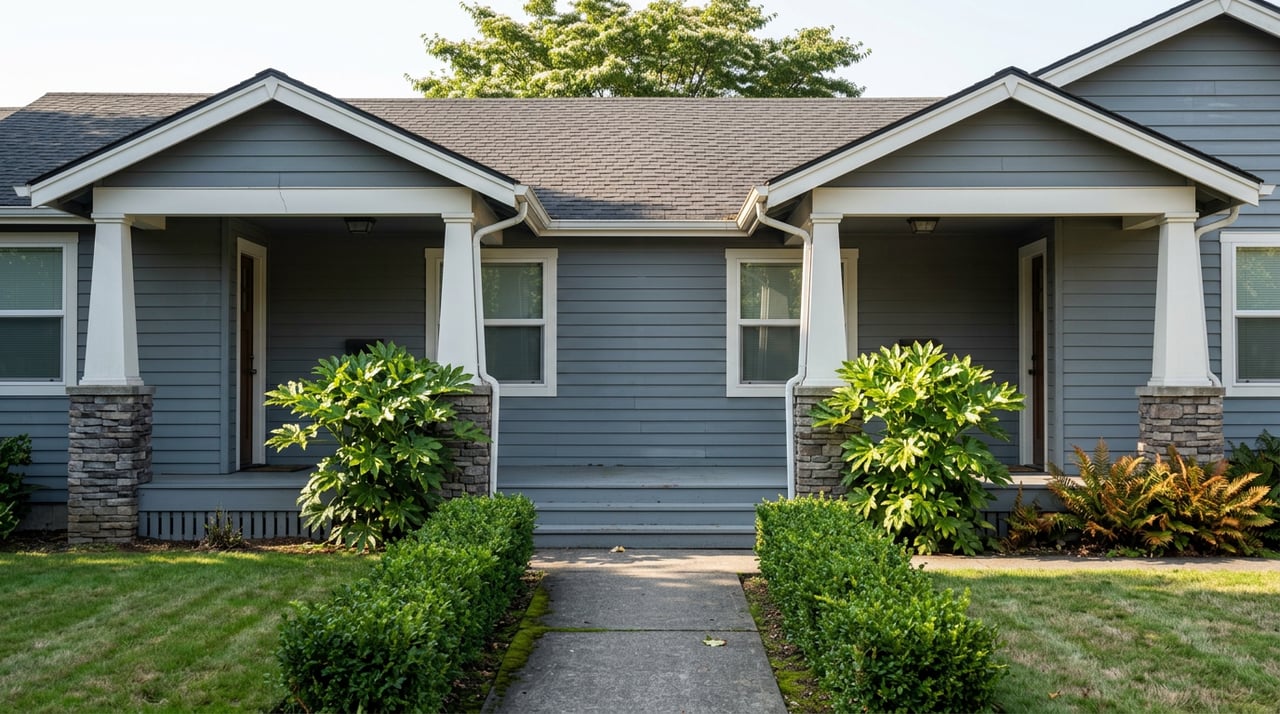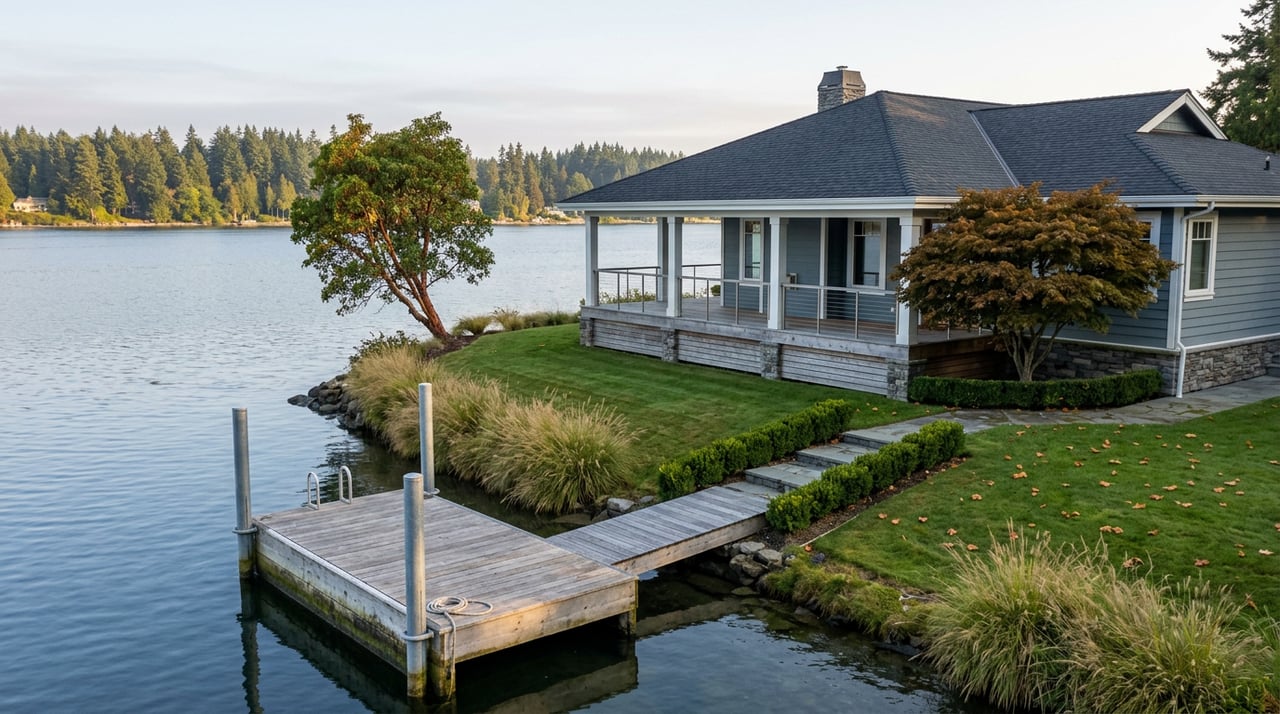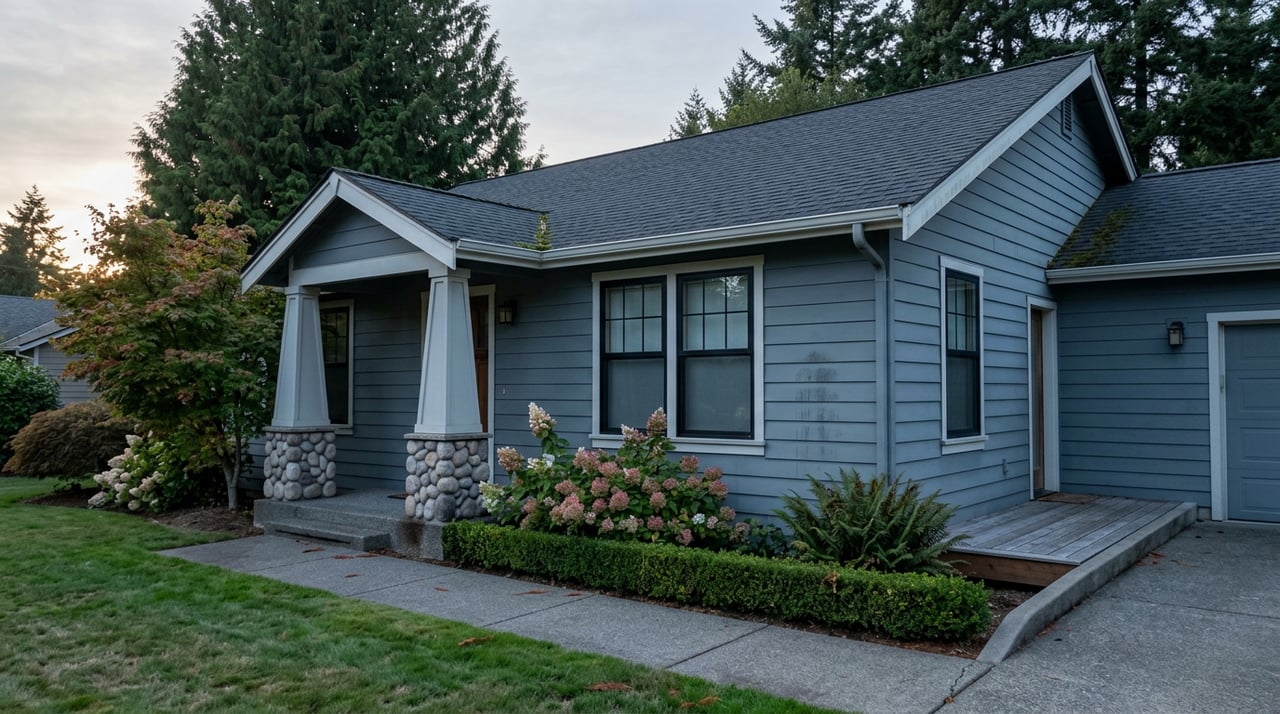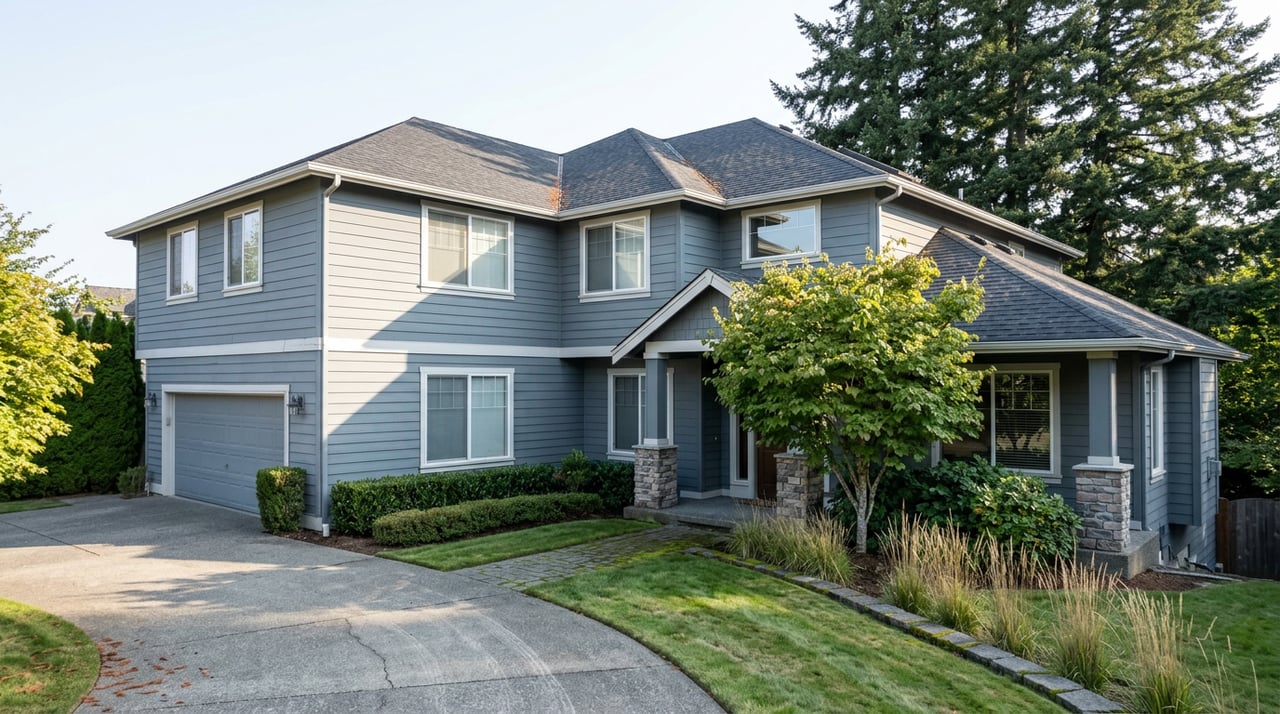
A landlord in Bay Vista lists a two-bedroom at $1,950 and rents it within a week to a Navy family. Three miles away in Manette, another landlord lists a similar two-bedroom at $1,512 and also rents it fast, this time to a shipyard machinist's family. Both tenants are drawing on the same military housing benefit. The properties sit in the same military housing area. The check that clears each month is for the same dollar amount if the tenants hold the same rank and dependency status. What's different is everything else.
That gap is the thing most owners get wrong about renting near Naval Base Kitsap. Basic Allowance for Housing looks like a market signal. It behaves like one in the aggregate. But BAH is a flat number applied across an entire military housing area, while the rental market underneath it is anything but flat. Understanding where your property sits relative to that flat line, not the citywide average, is what actually determines how fast you lease up and what kind of tenant pool you're competing for.
The Number That Doesn't Move
Basic Allowance for Housing is set by the Department of Defense once a year, effective January 1, based on local rental market surveys. For 2026, an E-5 with dependents at Naval Base Kitsap draws $2,364 a month. An E-6 with dependents draws $2,730. An E-7 with dependents draws $2,844. These figures rose only slightly from 2025, up about $6 a month, or 0.3 percent, well below the 4.2 percent average increase applied to BAH rates nationwide this year.
The detail that matters more than the dollar figure is how the rate is assigned. BAH is set by Military Housing Area, not by ZIP code or neighborhood. The Bremerton MHA covers 19 ZIP codes, stretching from the neighborhoods closest to the shipyard out to the communities on the edges of the housing area. Every one of those ZIP codes carries the identical rate for a given rank and dependency status. A senior chief renting in Bay Vista and a senior chief renting in Manette get the same allowance, whether the market in each neighborhood looks the same or not.
It doesn't.
The Number That Does
Pull rent data at the neighborhood level and the picture inside that flat MHA boundary splits apart. Recent tracking of one-bedroom rents across Bremerton neighborhoods shows Manette and East Bremerton anchoring the affordable end, both averaging in the low $1,500s. West Bremerton, downtown Bremerton, and Bay Vista sit at the other end, running from roughly $1,900 to nearly $1,950 for a comparable unit.
| Neighborhood | Average 1BR Rent |
|---|---|
| Manette | ~$1,512 |
| East Bremerton | ~$1,527 |
| West Bremerton | ~$1,912 |
| Downtown Bremerton | ~$1,925 |
| Bay Vista | ~$1,950 |
That's a spread of roughly $400 a month between the cheapest and priciest neighborhoods tracked, for units of similar size, inside a housing area where the tenant's monthly allowance doesn't change by a dollar depending on which of those five neighborhoods they choose.
Zoom out to two-bedroom units and the comparison to BAH gets more concrete. HUD's fiscal year 2026 Fair Market Rent figures put a two-bedroom in the Bremerton area between roughly $1,860 and $2,068, with a median around $1,980. An E-5 with dependents drawing $2,364 a month sits above that entire band. In plain terms, that allowance comfortably covers a two-bedroom in most of this market, with room left over, if the unit is priced anywhere near the neighborhood average rather than at the top of it.
When Even the Trackers Disagree
Here's where the picture gets messier, and more useful. Not every rent tracker agrees on where Bremerton's overall market is even headed this year, let alone at the neighborhood level. One tracker's April 2026 snapshot put the citywide median rent at $1,859, up 6 percent from a year earlier. Another tracker's August 2026 report put the citywide median at $1,604, down 1.3 percent from a year earlier. Same city, same year, opposite direction.
That's not a sign either survey got it wrong. It's a reminder that these aggregated figures are built from whatever listings happen to be active that month, in a market small enough that a handful of units can swing the average in either direction. For an owner pricing a specific property, the citywide median from any single tracker is a starting point, not a verdict. The number that matters is what comparable units in your specific neighborhood have actually rented for in the last 60 to 90 days, not what a national aggregator's algorithm produced this quarter.
What This Means If You're Deciding Where to Buy
For an investor weighing where in Bremerton to add a rental property, the BAH-to-market gap is the actual variable worth studying, more than the city's overall median rent. A property in Manette or East Bremerton, priced at or near the neighborhood average, sits comfortably under what an E-5 or E-6 household can spend without stretching. That margin tends to translate into faster lease-up and a wider pool of qualified applicants, because the unit isn't asking a tenant to commit their entire allowance to rent alone.
A property in Bay Vista or downtown, by contrast, is pricing closer to or even above what a mid-grade enlisted household's BAH covers on its own. That doesn't make it a worse investment. It changes who you're competing for. Units at that price point draw dual-income households, senior enlisted or officer families, or tenants who aren't relying on BAH at all, including the civilian workforce tied to Naval Base Kitsap, which is home to Puget Sound Naval Shipyard and stands as Kitsap County's largest employer. Shipyard trades and engineering roles in Bremerton paid a median wage of roughly $95,400 a year as of June 2026. That workforce doesn't rotate on a PCS cycle, which means demand in the pricier neighborhoods can hold steadier through the year even without a steady flow of incoming military tenants.
Neither position is automatically the smarter buy. They're different bets on different tenant pools, and the BAH table tells you almost nothing about which one you're making until you look at the neighborhood underneath it.
What This Means If You Already Own There
If you're already managing a rental near the base, the practical takeaway is to stop benchmarking against the citywide median and start benchmarking against your specific submarket, ideally against actual signed leases from the last quarter rather than active listings, which tend to run higher than what units actually settle for.
It's also worth remembering that BAH doesn't move quickly. A rate that rose $6 a month in 2026 isn't going to bail out a listing that's priced meaningfully above what the neighborhood supports. And current service members who PCS in before a rate cut are typically protected at their existing rate for as long as they stay at that duty station and rank, which means today's tenant pool is working off whatever rate they arrived with, not necessarily the rate published for a new arrival this year. Pricing a unit against last year's BAH assumptions, or against a neighborhood two ZIP codes away, is one of the more common ways an otherwise solid Bremerton rental sits vacant longer than it should.
A Few Questions Worth Settling Before You Price a Listing
Does BAH change if a tenant moves to a different neighborhood within Bremerton? No. BAH is set at the Military Housing Area level, which covers all 19 Bremerton-area ZIP codes at one flat rate per rank and dependency status. A move from Manette to Bay Vista doesn't change the allowance, only what it has to cover.
Why did BAH only rise $6 this year when rents in some neighborhoods rose faster? The Department of Defense sets each area's rate annually based on its own rental survey data, and 2026's Bremerton increase of roughly 0.3 percent came in well under the 4.2 percent national average adjustment. Local market movement in individual neighborhoods doesn't automatically show up in the following year's rate at the same pace.
What happens to a tenant's rate if next year's BAH table is lower? Individual rate protection generally allows a service member to keep their existing rate as long as they remain at the same duty station in the same rank and dependency status, even if the published table rate drops. A new arrival the following year would be assigned to the new rate.
Pricing a Bremerton rental well means knowing which of these five neighborhoods your property actually competes in, not just what the base pays. If you're weighing where to buy near Naval Base Kitsap, or trying to figure out whether your current rent is aligned with what your specific block will support, that's a conversation worth having before the next listing goes live.
Gig Harbor Property Management works with owners across Bremerton, the Key Peninsula, and the wider Kitsap and Pierce County market every day on exactly this kind of pricing decision. Schedule a Free Owner Consultation to talk through what your property is actually positioned to earn.